
Defensible space is the work that decides whether a crew can safely hold your home when a fire runs through. We build it as part of the landscape, not as a replacement for it.
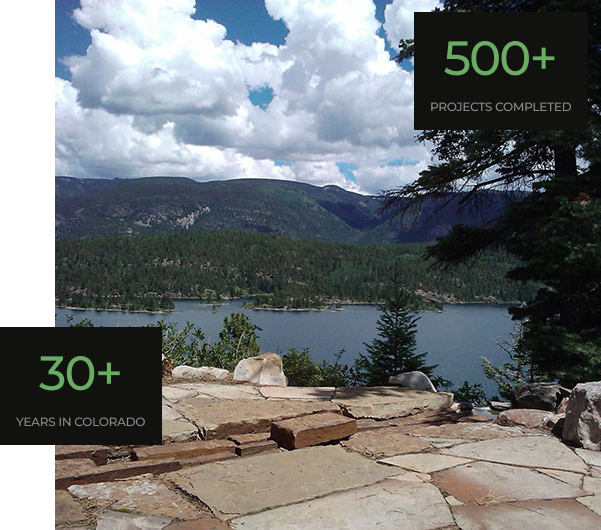
Defensible space is not landscaping with a safety label on it. It is a measured reduction of fuel around a structure, built to Colorado State Forest Service Home Ignition Zone standards. It is also the single most important factor in whether your home is still standing after a wildfire moves through.
We have been building landscapes on these properties since the early nineties. We know which slopes carry fire, where the Gambel oak comes back, and how to reduce fuel without leaving a property looking stripped and over-cleared.
01
It still has to look like a yard
Most mitigation work leaves a property looking cleared to bare dirt. We treat fuel reduction as a design problem. Spacing, sightlines, and replanting are handled together so the result reads as intentional, not as an aftermath.
02
Hardscape as fuel break
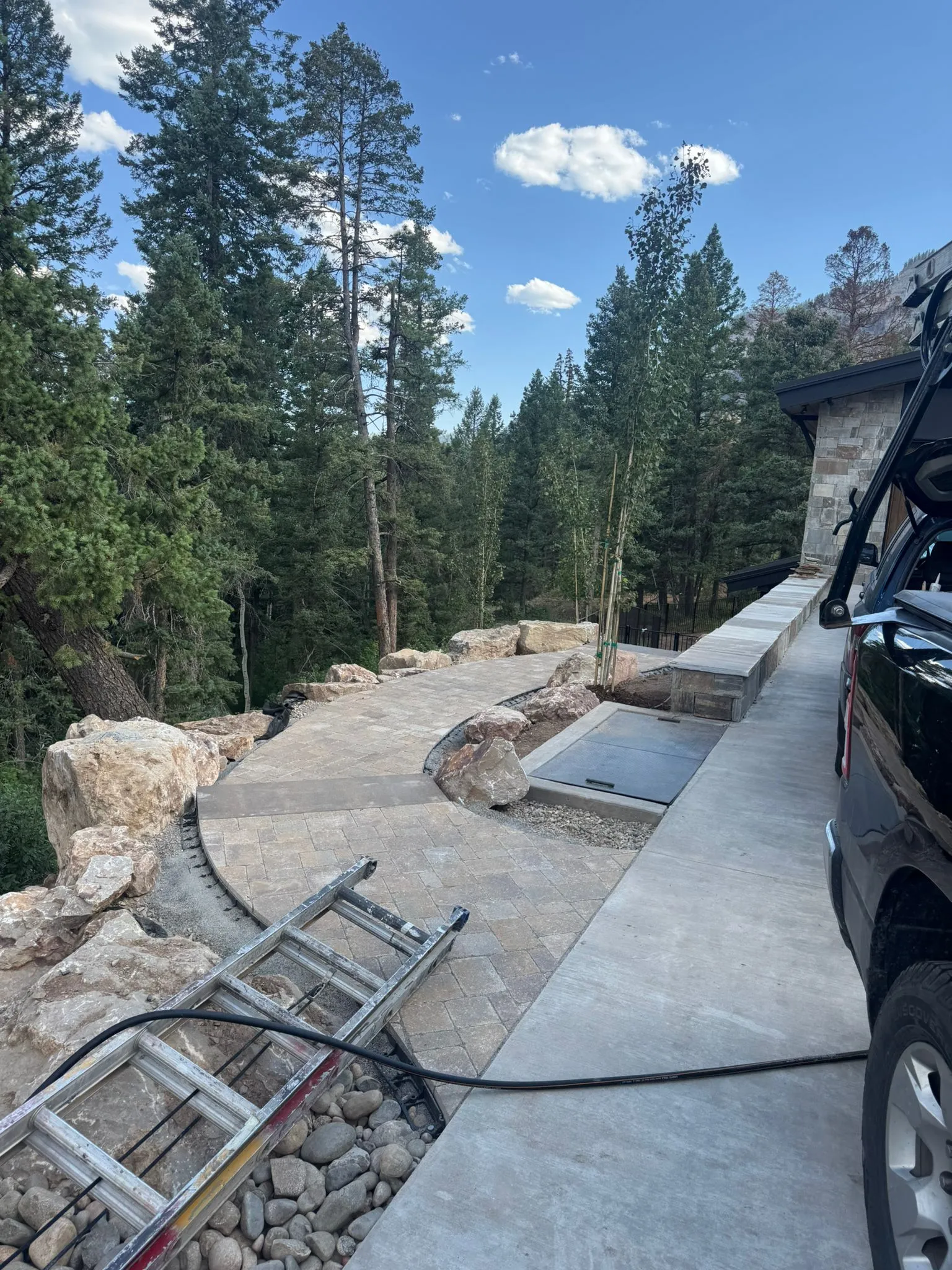
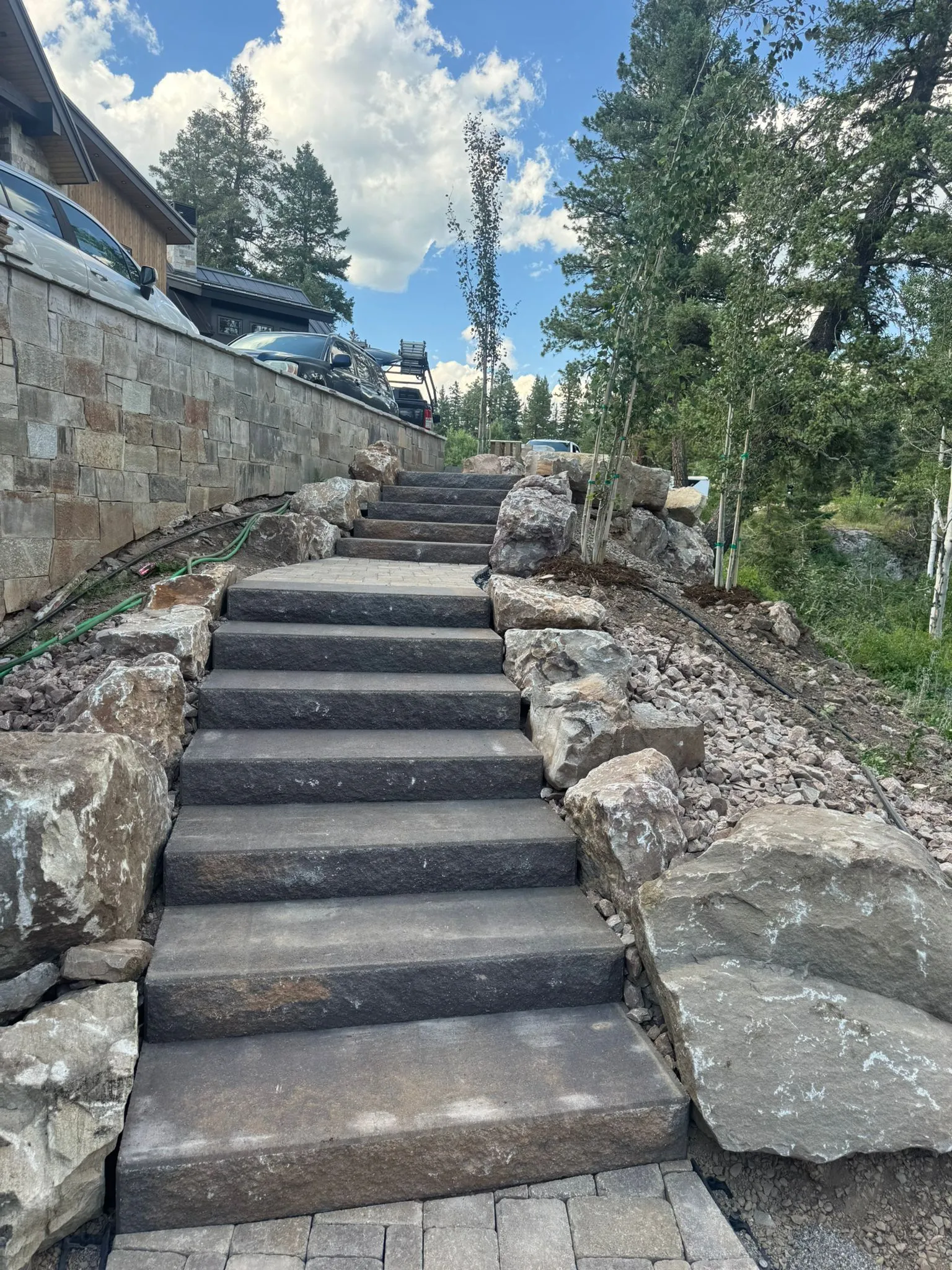
Stone patios, gravel bands, dry-laid walls, and paved paths are permanent noncombustible surfaces. We build them anyway. In a mitigation context, they do double duty.
03
Irrigation You Can Count On
A green break only works if it actually stays green through fire season. We install, repair, and winterize the irrigation that keeps Zone 2 vegetation alive through August.
04
Slash gets dealt with
Chipped and spread thin, or hauled off. We do not leave piles near the structure. A slash pile close to the house is worse than the fuel we removed.
05
Erosion control after clearing
Removing vegetation on a slope creates a runoff problem. Regrading, swales, and stabilization planting are part of the same job, not a callback.
06
We come back
Gambel oak resprouts. Needles drop. Canopies close again. Mitigation is a maintenance cycle. We keep properties on a schedule rather than resetting from scratch every decade.
━ Why it matters here
When a fire runs and resources are stretched, crews make fast decisions about which structures they can safely hold. A house with no defensible space is a house they drive past. Not out of indifference, but because there is no safe place to stand.
Most homes that burn in a wildfire are not consumed by a wall of flame. They ignite from embers landing in dry needles against a foundation, in a bark mulch bed, or on a wooden deck. The condition of the ground around the structure is the piece that landscape work can actually change.
Durango learned this the hard way in 2003. The local wildfire preparedness movement here started as a direct response to the Missionary Ridge Fire. We have been building and maintaining landscapes on these hillsides since before that fire, and we have seen firsthand what properly maintained defensible space looks like the morning after a bad season.
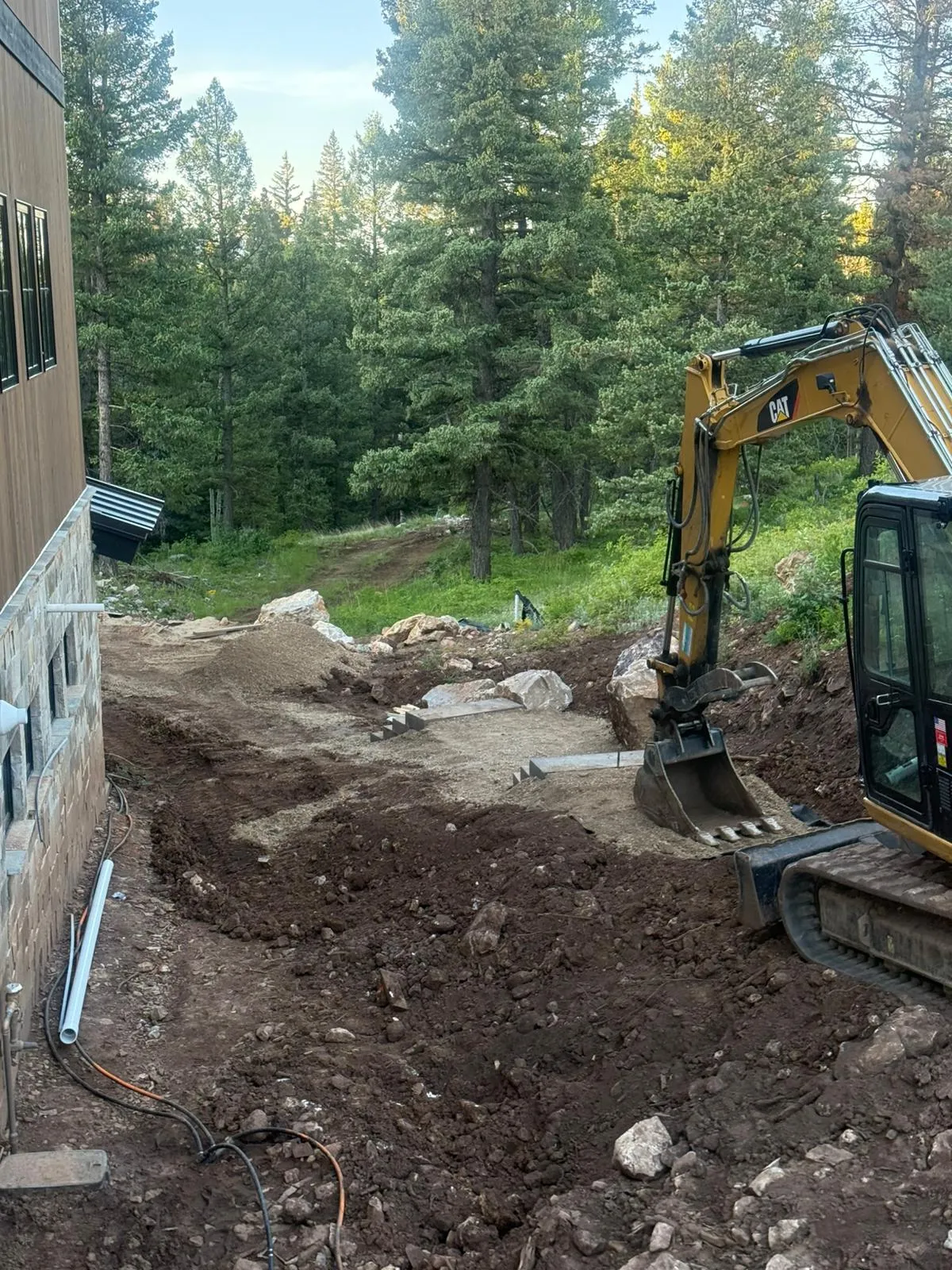
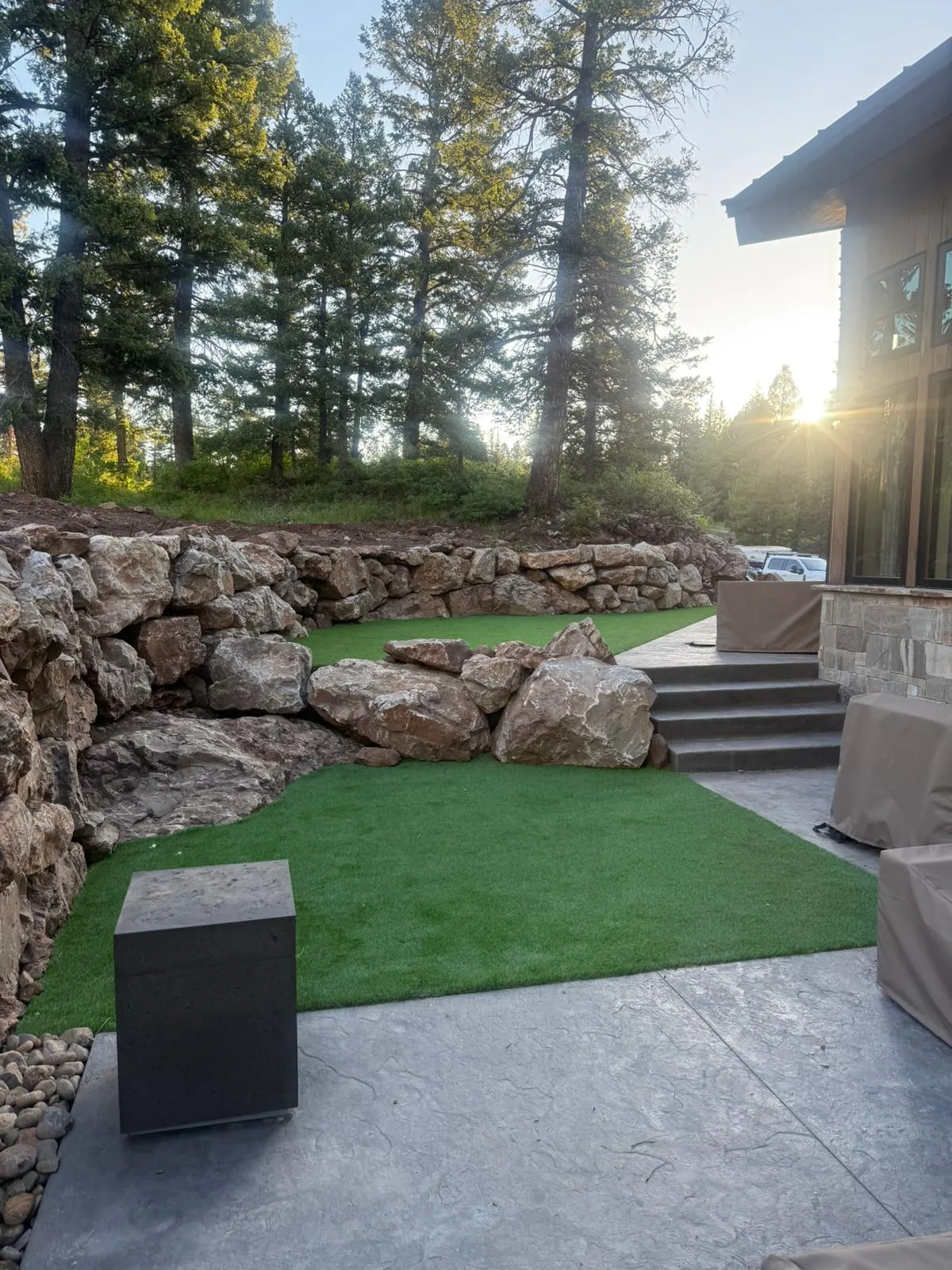
━ Before & after
━ Cost assistance
Wildfire Adapted Partnership, a Durango-based nonprofit covering La Plata, San Juan, Montezuma, Archuleta, and Dolores counties, runs reimbursement programs for exactly this work. We will point you there before we quote anything.
Free
Wildfire risk site assessment
A county coordinator walks your property, assesses risk, and marks trees for removal. This is the required first step for the cost-share program -- and worth doing regardless.
Cost share
Defensible space reimbursement
Partial reimbursement for hiring a contractor to do the mitigation. Award amount varies with site size, vegetation, terrain, and current grant geography.
50%
Chipper rebate
Reimbursement toward chipper rental or a contracted crew for slash disposal on private property, with per-household and per-community caps.
HOA
Community programs
Neighborhood-scale grants and Firewise USA certification support. If your subdivision is coordinating, the economics change substantially.
We handle
We refer out
We will walk the property, work out from the structure, and tell you plainly what needs doing and in what order. If the highest-value work is something you can do yourself in a weekend, we will say that.